What You Need To Know About DIY Balcony Waterproofing


A leaking balcony is more than a nuisance, and the longer it goes unaddressed, the worse the damage gets. Water penetrating the substrate can lead to concrete cancer, structural damage, mould growth and expensive repairs to the rooms below.
If you’ve searched “DIY balcony waterproofing,” you’re probably looking for a step-by-step guide to fix the problem yourself. This article covers how balcony waterproofing actually works, what products are involved, what a proper job looks like, and the practical maintenance you can handle yourself to prevent failures and extend the life of your waterproofing.
Waterproofing in NSW Is a Licensed Trade
In New South Wales, waterproofing is licensed trade work. Residential waterproofing work valued at more than $5,000 in labour and materials, including GST, must be carried out by an appropriately licensed contractor. Penalties can apply for unlicensed work.
This applies to balconies, bathrooms, laundries and other wet areas where the work exceeds the licensing threshold. If you are doing work on your own home, separate owner-builder permit rules may apply, so it is worth checking your approval and licensing obligations before starting. Depending on the project, your certifier, strata manager, insurer or purchaser may also ask for evidence that the waterproofing was completed in line with the relevant standard and the manufacturer’s specifications.
That doesn’t mean this article is a dead end. Understanding how balcony waterproofing works, which products are involved, and what a proper job looks like puts you in a much stronger position, whether you’re hiring a waterproofer, managing a renovation, or maintaining a property you own.
There are also practical maintenance tasks you can handle yourself that help prevent waterproofing failures in the first place. For external above-ground balconies, waterproofing systems should be selected and installed in line with AS 4654 and the manufacturer’s instructions.
Why Balcony Waterproofing Is Important
Balcony waterproofing failures are among the most common waterproofing defects in Australian residential properties. In the Illawarra, salt-laden coastal air and high humidity accelerate deterioration faster than most property owners expect.
When the membrane fails, water doesn’t just sit on the surface. It moves through cracks in grout and tiles, into the substrate, and eventually into the structure below.
Fixing a waterproofing problem early is almost always cheaper than fixing the water damage it causes. Once moisture gets into the structure, you’re not just resealing a balcony, you’re repairing ceilings, replacing framing and chasing leaks through walls.
How to Know If Your Balcony Has a Problem

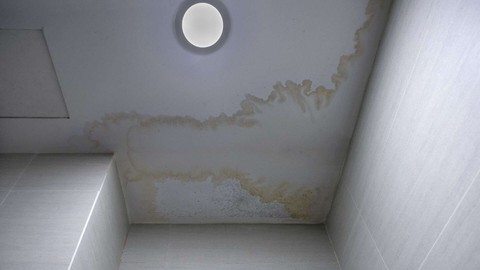
Before calling anyone, it pays to confirm whether there’s actually an issue. Look for visible cracking or damaged grout lines, water stains or damp patches on the ceiling below, efflorescence (those white salt deposits that show up on concrete or tiles), pooling water where the drainage slope isn’t doing its job, loose tiles or a hollow sound when you tap them, and mould or mildew sitting in the grout joints.
Some deterioration is invisible until moisture testing picks it up. A simple self-check is to run a hose over the balcony surface for five minutes, then inspect the interior ceiling below after 30 minutes. If moisture appears, you’ve got a problem that’s only going to get worse.
What a Proper Balcony Waterproofing Job Involves
Whether you’re getting quotes, overseeing a renovation or want to understand what you’re paying for, here’s what a professional balcony waterproofing job should include.
Surface Preparation
The majority of waterproofing failures stem from inadequate surface preparation, making it the single most important part of the process. The surface should be pressure-washed to remove dirt, mould and loose material, with high spots ground back and any old failed coatings removed.
Cracks and voids need to be repaired with an appropriate filler or repair mortar, and damaged grout should be re-grouted. The surface must be allowed to dry thoroughly before any membrane is applied.
The manufacturer’s Technical Data Sheet specifies the allowable substrate moisture level, so this should be checked for the specific product being used and confirmed through appropriate testing before application.
Priming
Many liquid membrane systems require a primer to improve adhesion to the substrate. The primer should be applied evenly and allowed to cure or flash off in line with the manufacturer’s Technical Data Sheet before the membrane is applied.
Primer cure and overcoating times vary by system, so the next coat should only be applied in line with the manufacturer’s Technical Data Sheet for the specific product.
In Wollongong’s humid coastal conditions, particularly closer to the coast, extra drying time is worth allowing.
Reinforcing Corners, Joints and Drains
This step is commonly skipped, and it’s a leading cause of balcony waterproofing failure. A compatible bond-breaker tape or fibre-reinforcing tape should be applied to all internal and external corners, floor-to-wall junctions, and around drain flanges. The tape needs to be embedded into a wet coat of membrane and allowed to set before full coverage is applied. All penetrations should be sealed with compatible sealant, and the membrane must extend under and around drain flanges to provide a watertight seal.
If you’re reviewing a waterproofer’s work, this is one of the most important things to check before the membrane goes over the top.
Membrane Application
The first coat of liquid membrane should be applied in one direction with a roller or brush, ensuring even coverage across the entire surface, including edges and corners. After curing according to the manufacturer’s TDS, the second coat is applied in the opposite direction. This cross-coating technique eliminates pinholes and ensures a uniform film thickness across the entire balcony deck.
Some systems may require a third coat to achieve the required dry film thickness, though there are liquid membrane versions that can achieve the required thickness in 1 coat.
Keep in mind that weather conditions along the Illawarra coast, including humidity, temperature and wind, all affect curing time. No foot traffic or water contact should occur during full curing. The minimum dry film thickness should be confirmed against the manufacturer’s TDS and the requirements of AS 4654.2-2012.
Flood Testing
Where the selected waterproofing system requires flood testing, it should be carried out strictly in accordance with the membrane manufacturer’s instructions once the membrane has fully cured. Test timing and duration vary between systems, so the product Technical Data Sheet should be treated as the authority before tiling proceeds. During testing, the area below and around the junctions should be checked for any signs of moisture ingress.
Tiling and Grouting
After the membrane has cured, the balcony should be finished using a compatible exterior tiling system, including the appropriate tile adhesive, grout and movement-joint sealant for external conditions. The waterproofing layer is the membrane beneath the tiles, not the grout or a surface sealer, so grout and sealers should be treated as part of the finishing and maintenance system rather than as a substitute for proper waterproofing.
Waterproofing Systems and Products
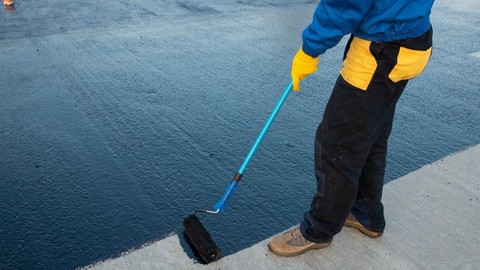
Knowing what products are available helps you have informed conversations with your waterproofer and understand why they’re recommending a particular system for your balcony.
Liquid Waterproofing Membranes
The most common option for balcony waterproofing is applied with a roller or brush in two coats, applied in opposite directions, creating a seamless, flexible barrier across the entire surface. UV-resistant formulations are generally recommended for Illawarra balconies exposed to direct coastal sun.
Cementitious Waterproofing Membranes
If the substrate is concrete or masonry, cementitious membranes are worth considering. They’re breathable, bond well to the substrate, and are often used as a primer layer in combination systems. They’re generally suitable for both above and below-grade applications.
Sheet Waterproofing Membranes
For balconies with complex shapes, multiple penetrations or awkward drain positions, sheet membranes can be the better choice. They provide immediate waterproofing on installation with no cure time, but they’re more skill-intensive to install correctly.
Concrete Admixtures
Not a membrane, but worth knowing about. Crystalline admixtures are added to concrete during new pours or repairs and self-seal hairline cracks over time. For Illawarra properties near the coast, where concrete cancer is a known risk, adding a useful layer of long-term protection to the substrate can be beneficial.
Illawarra Industrial Supplies stocks professional-grade waterproofing options across all of these categories. If you’re unsure which system suits your situation, the team can walk you through the options before you engage a waterproofer.
What You Can Do Yourself
Because balcony membrane work often requires a licensed contractor, depending on the scope and value of the job, there are practical maintenance tasks any property owner can still do to help prevent failures and spot problems early. These are the things that help you catch problems early and extend the life of existing waterproofing.
Inspect Your Balcony Regularly
Get into the habit of checking your balcony at least twice a year and look for cracked or deteriorating grout, loose or hollow-sounding tiles, discolouration or staining on the ceiling below, and any pooling water that suggests the drainage slope has shifted or a drain is blocked.
Do the Hose Test
If you suspect a problem but can’t see obvious damage, the hose test described earlier in this article is a quick way to confirm whether moisture is getting through. It takes five minutes to run and 30 minutes to check, and it can save you from far more expensive surprises down the track.
Keep Drains Clear
Blocked drains cause water to pool, and pooling water finds its way into every crack and grout joint on the surface. Clear leaves, dirt and debris from balcony drains regularly, particularly after storms.
Regrout and Seal Grout Lines
Damaged or missing grout is one of the easiest entry points for water. Regrouting with a suitable exterior grout and applying a compatible sealer can be worthwhile maintenance. Still, it should be considered surface upkeep only, not a replacement for a sound underlying waterproofing membrane. Unlike the full grouting done during a professional waterproofing job, this is about staying on top of wear and tear before it becomes a bigger issue.
Check Sealant Around Penetrations and Edges
Sealant around balcony edges, wall junctions and any penetrations (pipes, fixtures, railings) deteriorates over time, particularly in the Illawarra’s coastal conditions. If it’s cracked, pulling away or missing, replacing it with a compatible exterior sealant is a worthwhile preventive measure.
Schedule a Pre-Season Inspection
Summer storm activity is common along the South Coast. A quick check of grout lines, membrane edges, and drain seals before the wet months can catch small issues well before they become expensive ones.
When to Call a Professional
Some situations are clearly beyond maintenance. Consider engaging a licensed waterproofer when:
- Leaks persist despite maintenance efforts
- Tiles need to be fully removed to access the substrate
- There’s evidence of structural damage or concrete spalling
- Strata, a certifier, an insurer or a future purchaser has asked for evidence that the waterproofing work was completed properly
- You’re renovating or extending a balcony
Whether you’re maintaining or preparing to sell, getting ahead of it is the cheaper option.
Need Help Choosing the Right System?
Whether you’re getting quotes from waterproofers, trying to understand which system is right for your balcony, or just want someone to look at a product label and tell you what it actually does, the team at Illawarra Industrial Supplies can point you in the right direction.
We stock professional-grade liquid, cementitious and sheet waterproofing membranes, and with over 120 years of combined experience, this is what we do every day.
We also supply a range of maintenance and ancillary products. If you’re not sure what’s compatible with your existing setup, bring in a photo or a product name, and we can match it.
- Date
- 2.4.26