Why Is Your Waterproofing Bubbling or Blistering? Causes & Fixes Explained


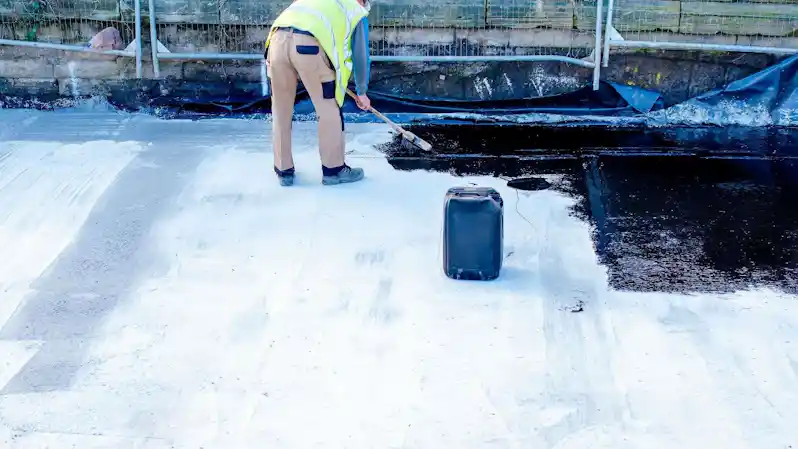
Waterproofing blistering is one of the most common coating failures on-site, and one of the most frustrating. It can show up hours after the application or days later, and by then, a simple fix is off the table. Diagnosing it wrong, or patching without addressing the root cause, means it comes back.
So what’s actually going on when a membrane starts to bubble or blister?
The Main Causes of Waterproofing Bubbling and Blistering
Damp or Wet Substrate at Application
This is one of the most common causes. If the concrete or screed retains moisture when the coating is applied, that moisture gets trapped beneath the coating film. When temperatures rise, the trapped moisture converts to vapour and expands, pushing up against the membrane from below. That pressure creates the classic blister.
Substrate surface temperature should be at least 3°C above the dew point before application begins, as specified in manufacturer data sheets and international coating standards.
Even between coats, overnight rain, dew, or fog can introduce enough moisture to cause problems. A moisture meter is one of the simplest tools for checking substrate moisture levels before you start, and it can save significant rework.
Surface Contamination and Poor Preparation

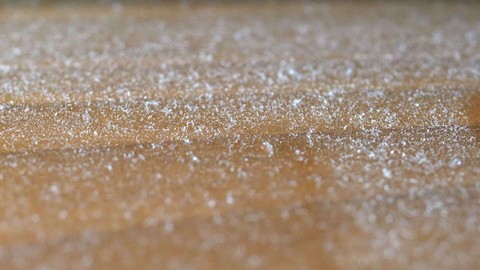
Dust, laitance, oils, curing compounds, and other contaminants prevent proper adhesion between the coating and the underlying substrate. Without a sound mechanical bond, the applied coating lifts under thermal and moisture stress. Poor surface preparation is a root cause of both premature bubbling and long-term blistering, and it’s one of the most preventable. Proper surface preparation is genuinely non-negotiable if you want the coating to hold.
Failure to remove dirt, oils, or debris from the underlying surface before application is one of the leading causes of localised adhesion loss in waterproofing membranes. Adhesion tests conducted before full application can help identify bonding issues early.
Application in Extreme Heat or Direct Sunlight
Applying a coating to a surface baking in direct sunlight causes the outer skin of the membrane to set before the body of the coating has cured. Solvents and residual moisture trapped beneath that skin form gas pressure, and bubbles form across the surface. Coating applied mid-afternoon in a Wollongong summer is particularly vulnerable.
High temperatures accelerate this problem because moisture trapped beneath the coating film expands faster than it can escape. Cooler temperatures or high humidity during coating application can also slow the drying process, trapping solvents within the film. Either extreme creates conditions where blistering is likely.
Coating Applied Too Thick in a Single Pass
Applying too much product in a single coat traps moisture and solvents within the coating film. The coating cures from the outside in, so the outer layer sets while vapour is still trying to escape from beneath. The result is surface bubbles, sometimes across the entire application area.
Most membrane systems specify maximum wet film thickness per coat for exactly this reason. Respecting those limits and applying in multiple thin coats, with adequate recoat windows, allows each layer to cure properly and release trapped air and solvents.
Osmotic Blistering
This is a more technical cause and one that’s less widely understood. Osmotic blistering occurs when water-soluble salts or compounds within the substrate or a previous coating layer act as a draw for moisture. Water molecules migrate through the semipermeable coating via osmotic pressure, accumulating between the membrane and the substrate.
Osmotic blistering typically appears days or weeks after application, not immediately. It is a well-documented issue in some polyurethane membrane applications applied over concrete that has residual curing compounds or contamination. The membrane may look fine initially, but as water molecules continue to move through the semi-permeable coating, pressure builds beneath the surface until blisters form.
The likelihood of osmotic blistering correlates with the vapour permeance, substrate contamination and moisture conditions. But proper adhesion to the substrate is equally critical in preventing osmotic blistering. If the bond is weak, osmotic pressure has an easier path to lift the membrane. Left untreated, osmotic blistering can lead to peeling, flaking, cracking, and complete delamination of the coating.
Outgassing from Concrete
Ground, shot-blasted, or insufficiently primed concrete can contain open micropores. As the coating bridges these pores, the air trapped inside expands during the first exposure to heat, pushing up tiny blisters across the concrete surface. These air pockets create pinhole-sized bubbles that are often confused with moisture blisters but show a small void, not liquid, when cut open.
Using an appropriate primer to seal substrate pores before membrane application can significantly reduce, and in some systems prevent, outgassing-related pinholes and blistering. Skipping the primer or using the wrong one prevents the membrane from adhering properly to substrates like concrete.
Bubbling vs Blistering: Is There a Difference?
The terms get used interchangeably on site, but technically, bubbling and blistering are different failure mechanisms.
Bubbling refers to gas or vapour pressure forming within or beneath a coating film during or shortly after application. It’s typically non-osmotic, caused by trapped solvents, air, or moisture reacting with heat. Non-osmotic blistering is often the result of substrate conditions at the time of application.
Blistering, in the stricter sense, refers to raised areas caused by sustained moisture accumulation beneath the membrane. This can be osmotic or non-osmotic. Osmotic blistering is recognised as a chemical phenomenon that occurs particularly in cold-applied polyurethane waterproofing membranes, where water-soluble salts in the substrate draw moisture through the semi-permeable coating.
Both show up as raised, dome-like areas on painted surfaces and coated membranes. But understanding which mechanism is at work matters, because the fix is different.
How to Tell What’s Causing It
Before you attempt any repair, you need to determine what’s driving the failure. Cutting out blisters and repatching without addressing the root cause will result in recurrence.
| What to Check | What You Find | Likely Cause |
| Timing | Blisters appeared during application or within hours | Thermal or gas-related bubbling: trapped solvents, air pockets, or coating applied to a hot surface |
| Blisters appeared days or weeks later | Osmotic blistering or moisture migrating from below the substrate | |
| Contents | Liquid or moisture inside the blister | Moisture-related: concrete moisture creating liquid-filled blisters through osmosis |
| Hollow and dry inside | Outgassing or air entrapment from the concrete surface | |
| Location pattern | Concentrated where the sun hits | Thermal cause |
| Uniform across the surface | Substrate moisture levels too high at application | |
| Near edges or low points | Rising damp or below-slab moisture |
Can Blistered Waterproofing Be Repaired?
Whether repair is viable depends on the extent of the blistering, the condition of the substrate underneath, and the membrane system used.
Small, isolated blisters containing only air can sometimes be left alone, provided the coating film is still intact and hasn’t cracked or allowed moisture ingress. Once moisture is involved, the approach changes. Moisture-filled blisters need to be cut out, and the void left open long enough for the substrate to dry thoroughly before repatching with a compatible product. Repatching over a wet surface will produce the same failure.
When blistering is widespread across a large area, localised patches generally aren’t enough. That pattern points to a systemic issue with application or substrate preparation, and full removal and reapplication is often the only lasting solution. The same applies to osmotic blistering, where the root cause, whether it’s contamination, water-soluble salts, or residual curing compounds, needs to be resolved before any new coating goes down. Without that, the osmotic pressure will simply reform beneath the repair.
Whatever the repair approach, product compatibility matters. Not all waterproofing materials work as inter-coat layers with each other, and using an incompatible repair product can cause adhesion loss at the patch boundary. For significant commercial or industrial projects in the Illawarra region, consulting a technical supplier before proceeding with remediation can prevent costly repairs down the track.
Prevention Starts with Getting It Right the First Time
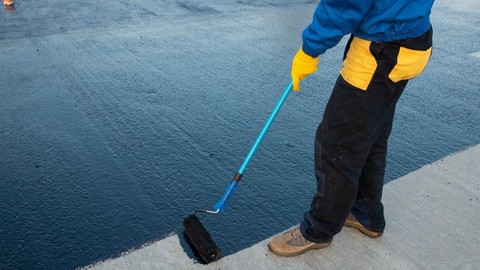
Test moisture levels before application: Don’t rely on visual assessment alone. Use a moisture meter or the plastic sheet test on concrete substrates before applying any membrane. Substrate surface temperature must be sufficiently above the dew point. Consulting the product data guide for acceptable moisture tests can help prevent blistering issues before they start.
Prepare the surface properly: Mechanical abrasion, removal of laitance and curing compounds, and priming all require adequate surface preparation standards to be met. This is the first step, and skipping it is the single biggest predictor of coating failure.
Apply in the right conditions: Avoid application outside the manufacturer’s stated temperature and humidity limits (especially in direct sunlight or while the slab is heating up), or when rain is forecast within the curing window. Early morning application is often the best approach in warmer months. Proper ventilation during application helps the membrane release solvents effectively. Monitoring relative humidity alongside temperature differences throughout the day can help you pick the right window.
Respect specified film thickness: Apply in multiple thin coats. Do not exceed the manufacturer’s recommended wet film thickness per coat, and allow adequate recoat windows between layers.
Use compatible systems: Don’t mix products from different systems without confirming compatibility. Primer, intermediate coat, and topcoat should all be from a tested, proven system. Using moisture-tolerant primers where appropriate can help ensure good adhesion and prevent blistering in waterproofing systems.
For a more detailed walkthrough of the full waterproofing process, the Illawarra Industrial Supplies guide to waterproofing successfully covers each stage from substrate preparation through to final cure.
Straight Answers, Local Expertise
Waterproofing bubbling and blistering is rarely a mystery once you know what to look for. The cause is almost always traceable to substrate condition, surface preparation, application timing, or environmental conditions on the day. Get those right, and blistering largely takes care of itself.
Illawarra Industrial Supplies has been supplying waterproofing products and technical advice to tradespeople across the Illawarra since 1980, with over 120 years of combined experience across the team. Whether you’re troubleshooting a failed coating on site or selecting products for a new project, the team can help with both product selection and practical application guidance.
Call the team or get in touch for advice on your next waterproofing project.
- Date
- 7.4.26