Foundation Waterproofing Made Simple for Wollongong Homes


With around 1,200mm of rainfall each year, the Illawarra is one of the wettest regions in NSW. That volume of water puts constant pressure on buildings, which is why foundation waterproofing is critical for homeowners, builders and architects.
Without a solid foundation, the rest of your home is at risk. Proper protection is required; otherwise, moisture slowly seeps into concrete, brickwork, and even internal spaces. The result is low air quality and mould growth (both health risks) and, worst-case scenario, long-term structural issues.
In this article, you’ll learn the main waterproofing services available, common mistakes to avoid, and when to get professional advice so you can protect your home with peace of mind.
What Is Foundation Waterproofing and Why Does It Matter?
Foundation waterproofing means creating a protective barrier that stops water in the surrounding soil from entering your home’s foundation structure.
Its job is simple: keep water out completely.
Foundations are naturally vulnerable because water builds up around them, which can lead to concrete cancer (deterioration of reinforced concrete) and pose safety hazards. In a high-rainfall region like Wollongong, damp proofing alone often isn’t enough, especially when foundations sit below ground level or for residential and commercial properties with concrete roofs.
If waterproofing isn’t done correctly, then over time, two things can happen:
- Hydrostatic pressure: water pushing against the concrete from water-saturated soil.
- Capillary action: moisture being drawn through tiny pores can force water indoors.
Then problems start to show, such as cracked render, mould, and damp smells. Over time, these can lead to structural damage and reduced property value.
Why Illawarra Homes Need Specialised Foundation Waterproofing

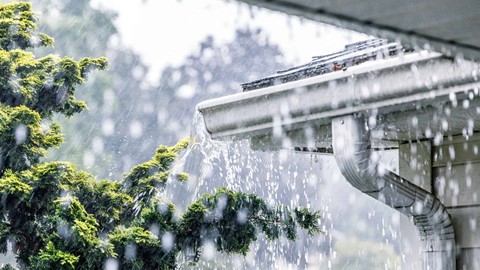
Wollongong’s annual rainfall is slightly higher than Sydney’s. This increases the aforementioned hydrostatic pressure on foundations. Then throw in our coastal properties, especially those in Thirroul or Austinmer, with the salty air that can accelerate concrete degradation and affect certain waterproofing materials.
Going further back inland to suburbs near the escarpment, such as Keiraville, properties get the runoff water, which is significant after heavy rainfall. Then there’s the local geology, with many homes built on Hawkesbury sandstone, which is porous and allows water to move unpredictably through the soil.
Finally, many Wollongong homes, built from the 1960s to 1980s, predate modern waterproofing standards, further increasing structural risk.
What this all means is that foundation waterproofing in the Illawarra requires a tailored approach, one that considers rainfall, soil, salt, exposure and house age. This is why it’s important to get a professional opinion to protect your home properly in this part of the world.
Types of Foundation Waterproofing Systems
With the risks covered, let’s now look at the solutions on offer for Wollongong homes. Depending on whether your property is a new build, a major renovation, or an existing home with water issues, different systems may be better suited to your needs.
External Waterproofing (Tanking)
As the name suggests, tanking involves applying a waterproof membrane to the outside of foundation walls. This can be sheet (bitumen, HDPE) or liquid-applied membranes. Some systems even use bentonite clay sheets, which swells on contact with water to eliminate water penetration.
This approach is ideal for new builds or major renovations where excavation is possible. A major benefit is that it performs especially well against Wollongong’s heavy rainfall. The main limitations, however, are the cost and effort involved, as well as the potential for coastal salt exposure to degrade some materials over time.
Internal Waterproofing
Where excavation or digging around the foundation isn’t feasible, internal waterproofing options are used. These include cavity drainage systems, internal membranes, or sealants to channel water safely away or create internal barriers. Concrete crack injections of liquid epoxy help seal cracked sections of concrete.
However, they do not prevent water from entering the foundation’s outer walls; they only manage water after it has already penetrated the structure. This means that internal waterproofing fails to address the root cause.
Drainage Solutions
Drainage systems complement both external and internal membranes. Ag-line/French drains and retaining walls redirect water away from the foundation. This reduces pressure on the walls and helps prevent leaks.
Proper drainage is particularly important for Illawarra slopes or properties near the escarpment.
We’ve created a chart to help you view and compare the different cost-effective solutions.
| System | What It Is | Best For | Pros | Limitations |
| External Waterproofing (Tanking) | Membrane applied to the outside of foundation walls | New builds, major renovations where excavation is possible | Provides complete barrier; highly effective against hydrostatic pressure | Excavation required; costly; tricky on sloped Illawarra sites or coastal salt exposure |
| Internal Waterproofing | Cavity drainage systems, internal membranes, sealants | Existing homes where external access is limited | Avoids excavation; can be retrofitted | Less effective in areas with high water tables; may require pumps |
| Drainage Solutions | Ag-line/French drains, weep hole systems | Homes needing additional water redirection | Works alongside membranes; reduces water pressure on foundations | Doesn’t stop water penetration alone; needs regular maintenance |
Essential Waterproofing Products Buyer’s Guide
Let’s look at the specific products on offer for foundation waterproofing and what works best for Wollongong homes.
Waterproofing Membranes
There are two types of waterproofing membranes:
- Sheet membranes: Bituminous or HDPE sheets provide a durable barrier and perform well in coastal conditions, resisting moisture and salt exposure.
- Liquid membranes: Polymer-modified bitumen and cementitious coatings offer flexibility and seamless coverage. Ideal for irregular surfaces or retrofits.
Illawarra Industrial Supplies stocks both sheet and liquid. Which we use depends on the home. For example, at our Wollongong yard, we have tailored solutions and often recommend liquid membranes for older homes in Thirroul because of the old foundations with dated waterproofing.
Sealants and Coatings
Sometimes, issues can be resolved with sealants and coatings. Crystalline waterproofing penetrates concrete to block water at the molecular level.
Various penetrating sealers protect from the inside, while surface coatings create a protective coating on the outside. Both have specific use cases and can be used together.
However, sealants alone aren’t sufficient for high hydrostatic pressure areas, such as at the bottom of the Escarpment; they are best used to complement membranes.
Drainage Materials
- Ag-line systems vary depending on soil type and slope, ensuring water is redirected away from foundations.
- Filter fabrics (geotextiles) prevent soil from clogging drainage systems.
- Gravel backfill is essential for proper drainage and membrane protection. We often recommend filter fabric plus gravel backfill for Keiraville homes near the escarpment to prevent water pooling.
Step-by-Step Foundation Waterproofing Process

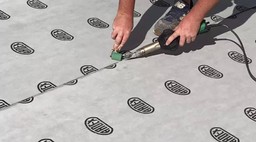
While we don’t recommend DIY for full-scale waterproofing, here’s a step-by-step guide for those who want to understand the process or attempt minor internal repairs safely.
Walkthrough for External Waterproofing Services
- Excavation: Dig around the foundation perimeter to expose walls and footings.
- Wall Preparation: Clean surfaces thoroughly and repair any cracks or defects.
- Primer Application: Apply if required by your chosen membrane system to ensure proper adhesion.
- Membrane Installation: Install sheet membranes (bitumen, HDPE) or apply liquid membranes for seamless coverage.
- Protection Board: Fit boards to shield membranes from damage during backfilling.
- Drainage Installation: Set up Ag-line or French drains with gravel and filter fabrics to divert water.
- Backfilling: Refill the excavation with appropriate soil or sand, compacting carefully to avoid damaging the membrane.
Common Foundation Waterproofing Mistakes Wollongong Homeowners Make
Here are the most common mistakes we see made by those attempting to waterproof themselves.
- Using indoor products outdoors – Not all waterproofing is suitable for external or below-ground use; using the wrong product can compromise your foundation.
- Ignoring drainage – Waterproofing alone won’t solve problems if water cannot escape; proper drainage is essential to reduce hydrostatic pressure.
- Poor surface preparation – Membranes fail when applied over dirty, damp, or damaged concrete surfaces.
- Wrong product for soil conditions – Clay soils retain more water than sandy soils and require tailored waterproofing approaches.
- Skipping the protection board – Without a protection layer, membranes can be damaged during backfilling, reducing effectiveness.
This list helps Wollongong homeowners avoid costly errors that lead to leaks, mould or structural issues.
Cost Considerations for Illawarra Homeowners
Foundation waterproofing costs can vary widely depending on method and site conditions.
Factors affecting cost:
- Depth of excavation
- Soil type (clay vs sandy)
- Any repairs to existing damage
- Location (Costs may be higher for escarpment properties that need extra excavation or stabilisation work)
Keeping Your Wollongong Foundation Protected Long-Term

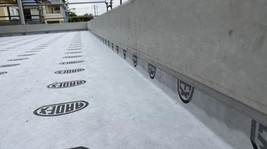
Finally, to get the most out of your investment, here are some practical tips for maintaining your foundation and preventing waterproofing failures over the long term:
- Annual inspections – especially before the Illawarra’s wet winter months, leak detection is important. Check for signs of water ingress or leaks.
- Keep ag-line outlets clear – to ensure proper drainage away from your foundation.
- Monitor for cracks or damp patches – early detection matters, aim for annual inspections.
- Maintain proper grading – ensure soil slopes away from your home to reduce water pooling.
Call a qualified waterproofing contractor if you notice persistent issues or after major weather events. They can provide site inspection, rising damp treatments, waterproofing and weatherproofing, all with minimal disruption.
Invest in Long-Lasting Protection
Hopefully, you can see now that foundation waterproofing is a critical investment for Wollongong and Illawarra homes. It helps protect against dampness, mould, and structural damage caused by the region’s high rainfall and unique soil conditions.
Choosing the right products, from membranes to drainage systems, tailored to local circumstances, is essential for long-lasting results. For any specific challenges or professional guidance on quality products, explore our comprehensive range of foundation waterproofing solutions and get advice from the Wollongong team at Industrial Supplies.
FAQs
Can I do my own waterproofing in NSW?
Minor internal repairs and low-pressure areas can be DIY, but external foundation waterproofing work should be handled by certified professionals.
How much does waterproofing cost in Australia?
Costs vary widely. DIY materials can be a few hundred dollars, while professional installation typically ranges from $150–$300+ per linear metre, depending on site conditions.
Does waterproofing need to be certified in NSW?
Yes, certain structural and external waterproofing works require certification under NSW building regulations to ensure compliance and long-term performance for property owners.
How to waterproof a wall below ground level?
Use external tanking membranes, proper drainage, and sealants suited to soil type, ideally installed by a licensed waterproofing contractor.
- Date
- 27.11.26